Location and everyday life

Study in Kempten. Live in the Allgaeu.

A compact university city in Bavaria with short distances, regional industry and the Alps close enough for life beyond lectures.

CompactManageable city
AlpineOutdoor region
ConnectedRail and regional transport
InternationalCampus community

Discover the campus

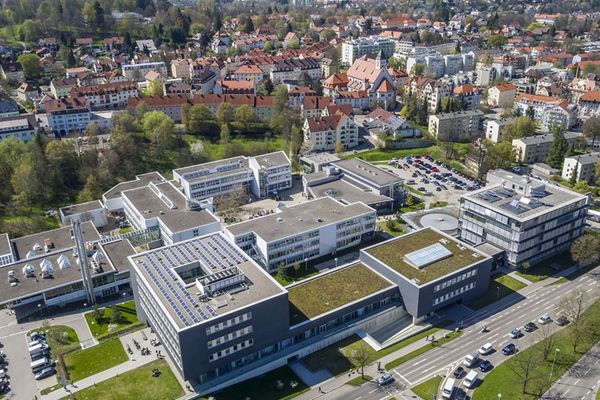
Aerial view of the Hochschule Kempten campus and the city
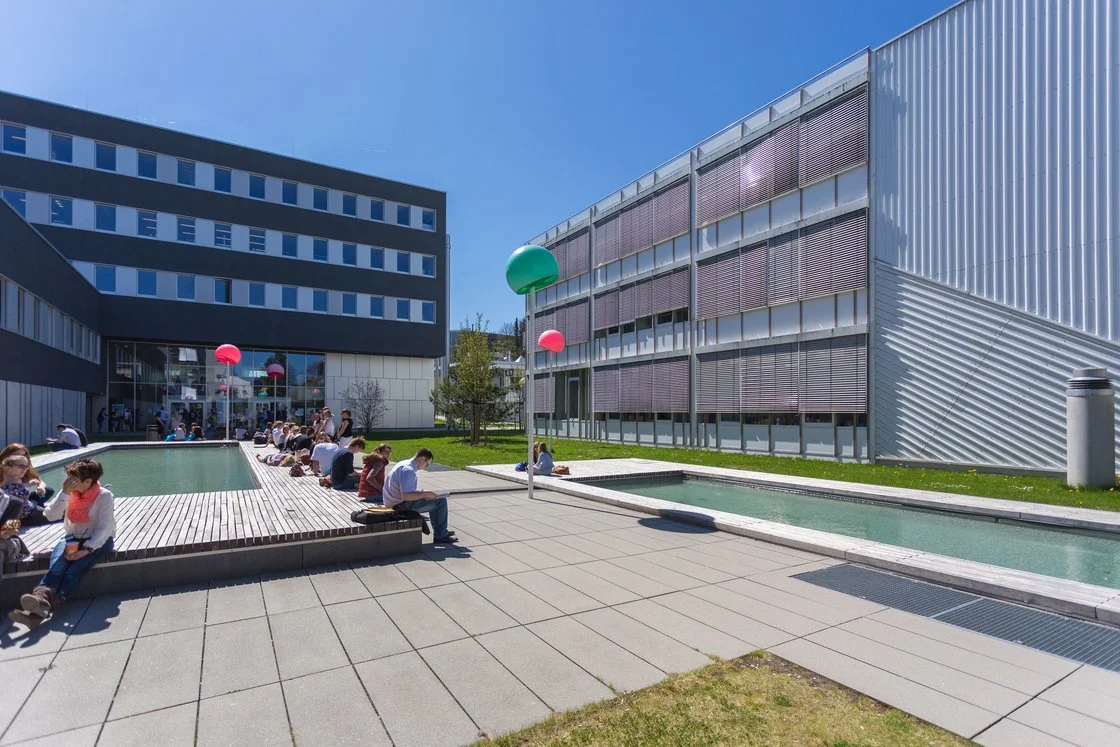
Students sitting in the sunny campus courtyard
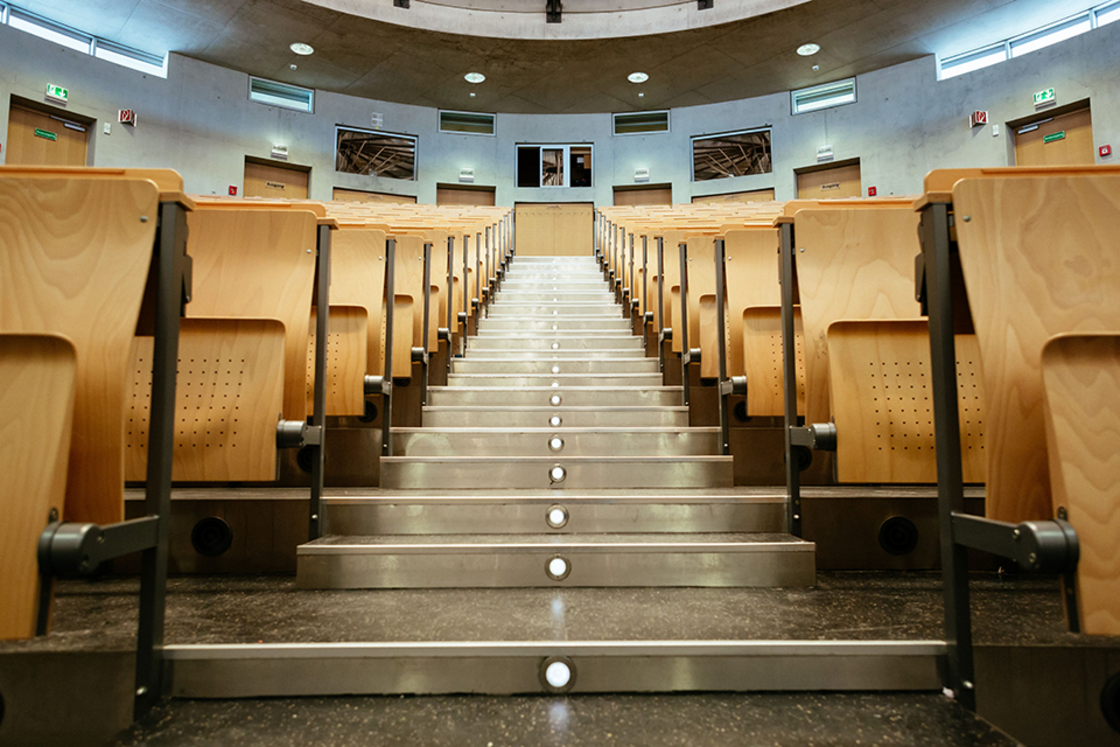
Modern lecture hall at Hochschule Kempten
Rows of books in the university library
Students collaborating with laptops and study materials
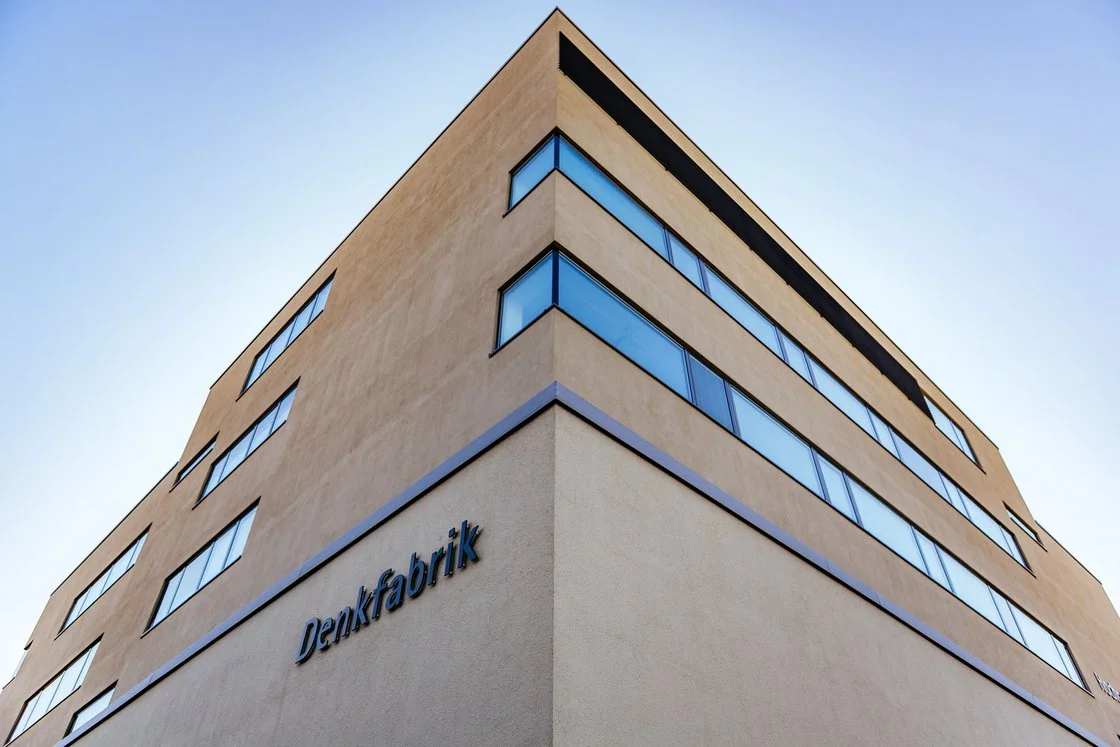
Denkfabrik building at Hochschule Kempten
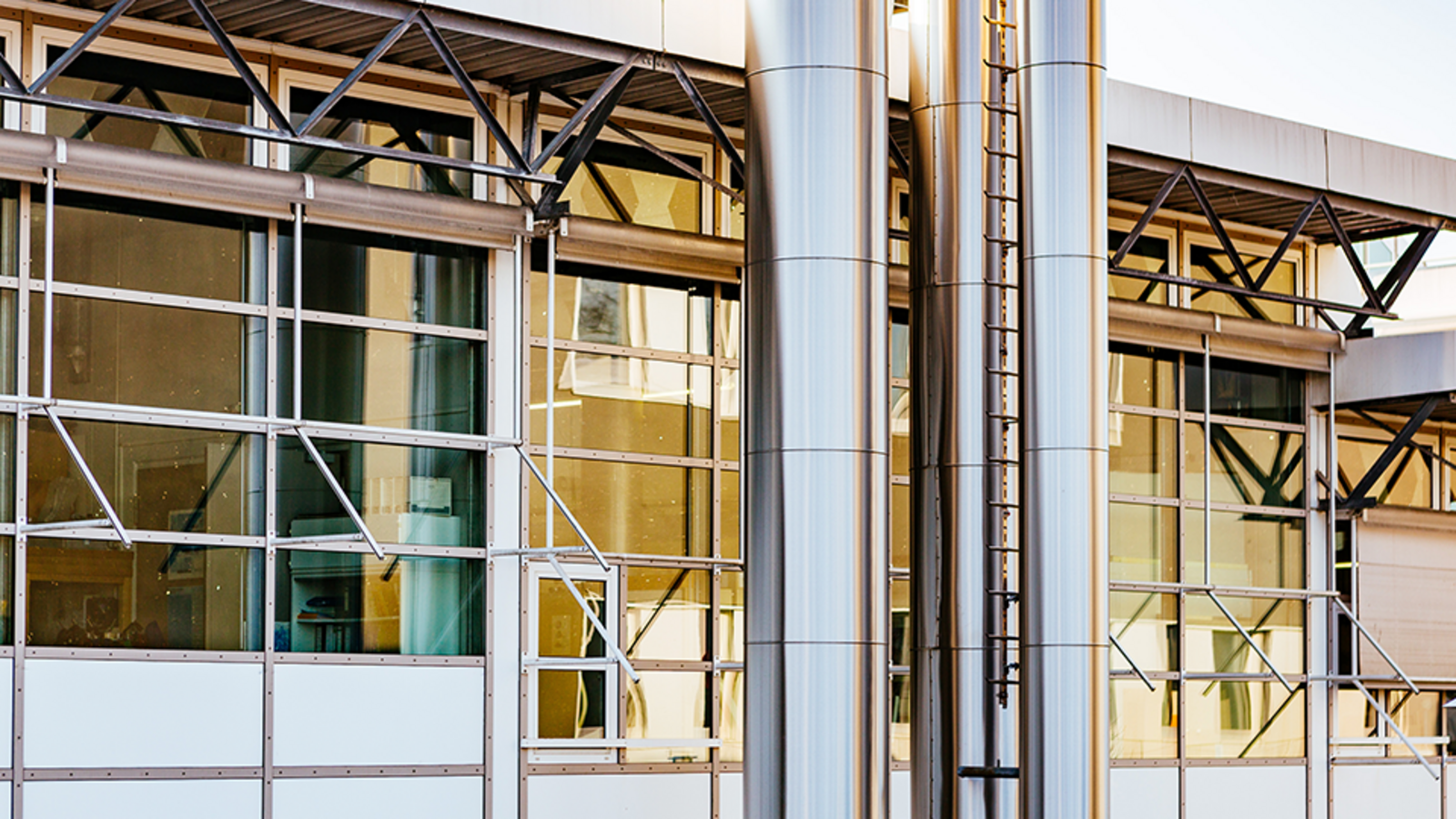
Glass facade of a campus building
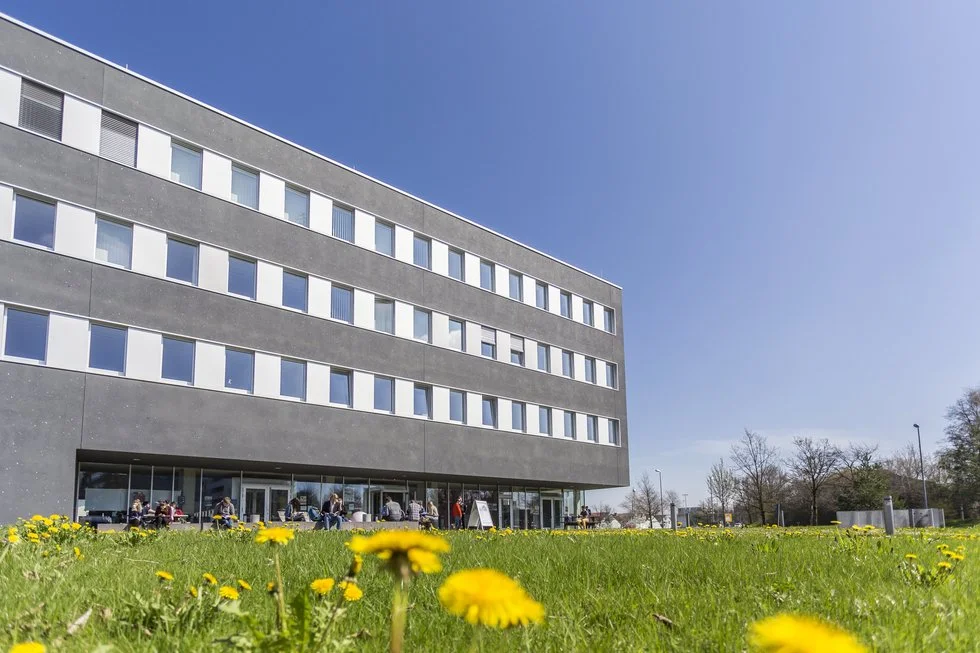
Campus building and lawn in summer
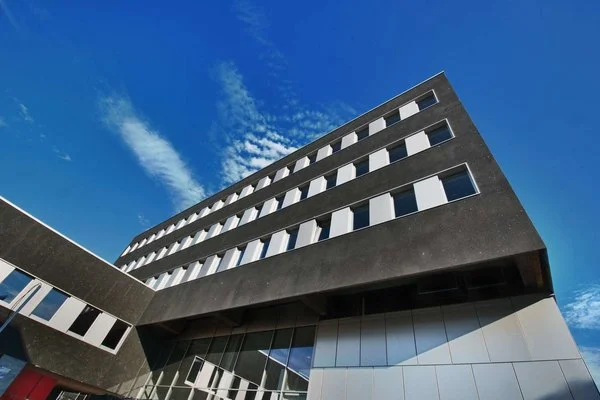
Modern dark campus building under a blue sky
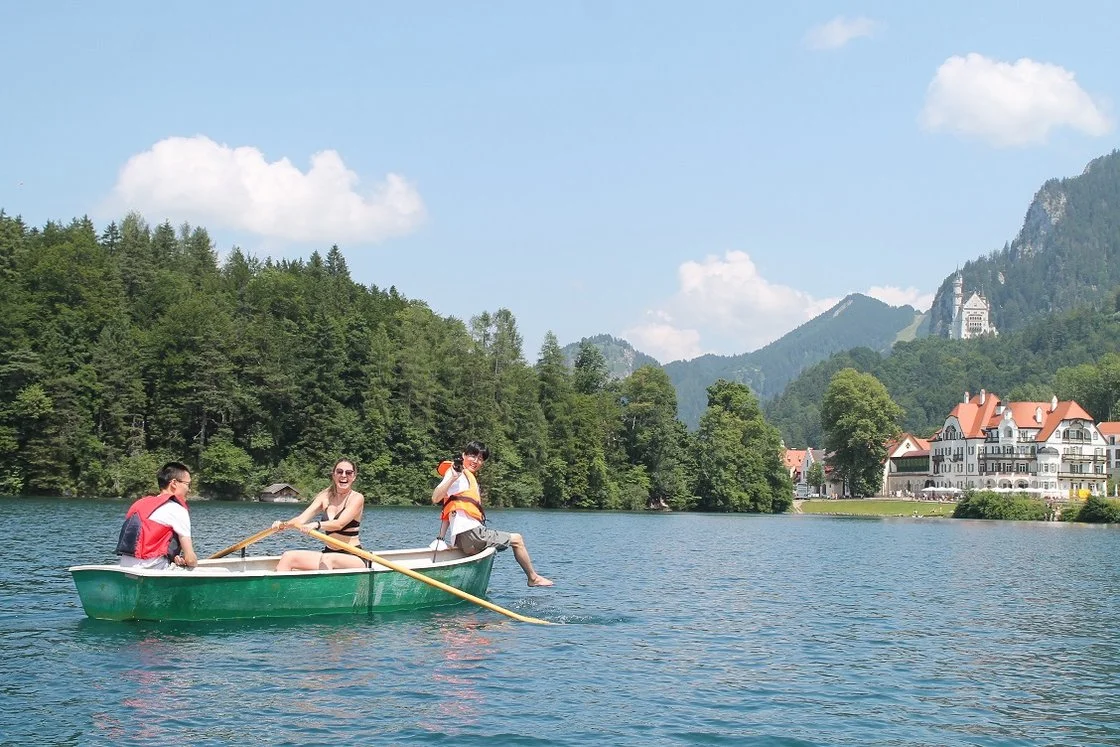
Students rowing on the Alpsee near Hohenschwangau
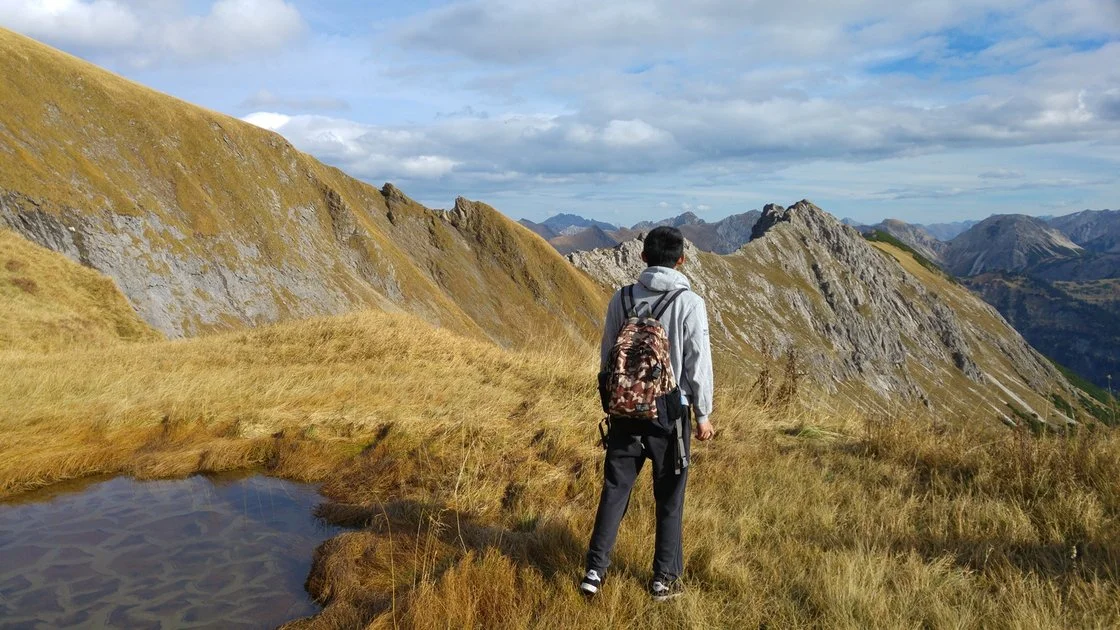
Student hiking in the Allgaeu Alps
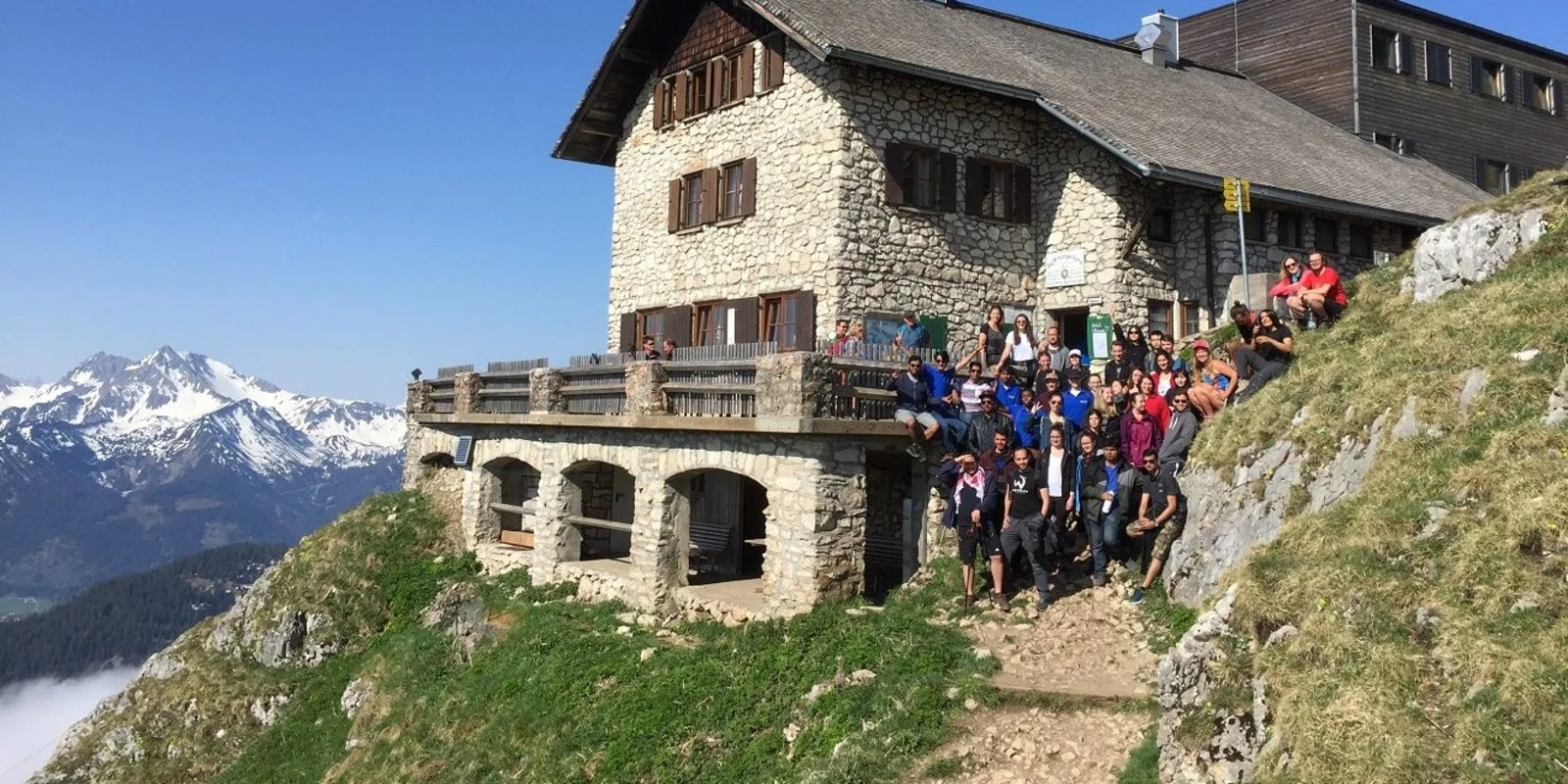
International student group on a mountain excursion
Students spending time together by an Alpine lake

Community and integration

Arrive in Kempten, meet people from around the world and become part of campus life from the beginning.

Buddy Programme

Friendships across borders

Every semester, international students come to Kempten for an exchange or a complete degree. The Buddy Programme brings them together with local students.

A local buddy helps with settling into Kempten and university life. In return, both sides practise languages, gain insight into another culture and build friendships that may continue far beyond the semester.

CultShare Club

Meet people from around the world on campus

The club connects international and local students, creates opportunities to share cultural experiences and makes international engagement visible across the campus.

Fun fact: at Kempten University you can meet people from almost 70 different countries.
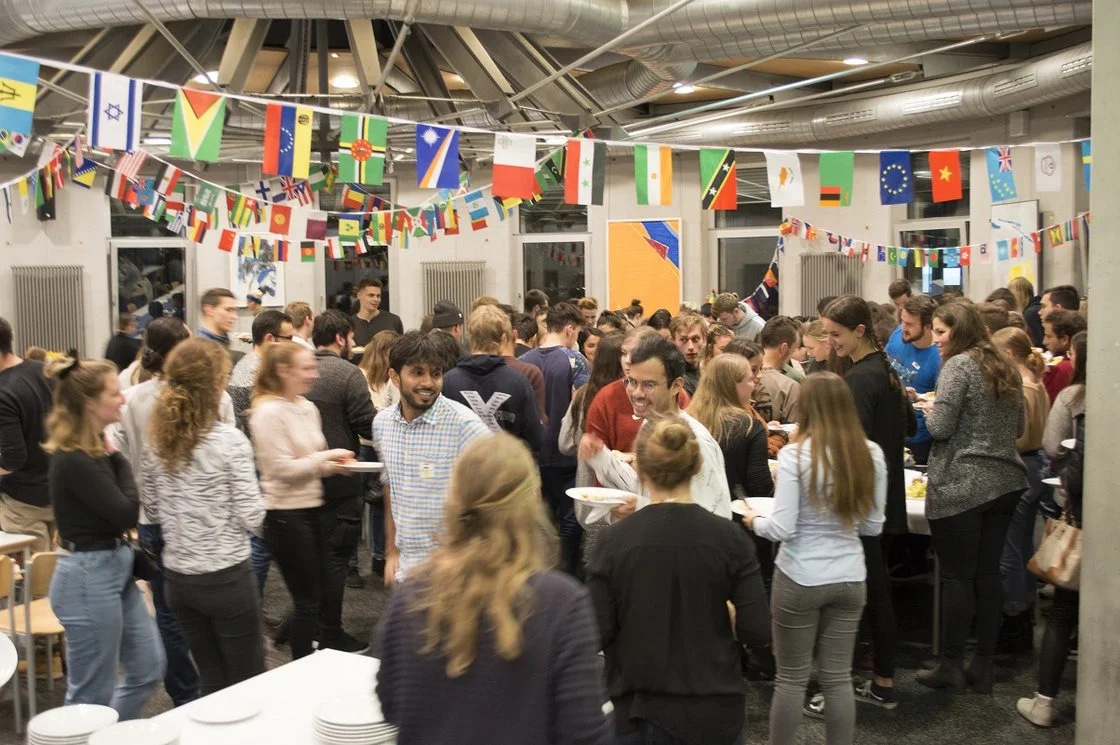
International and local students meeting at the International Dinner

Events open to everyone

  • Country evenings and International Dinner
  • Excursions, picnics and barbecues
  • Christmas events and workshops

All students are welcome and no membership is required. Membership is free for anyone who wants to help organise events or excursions; active volunteers can receive an official certificate for their engagement.
Student voices

Three short interviews give personal insights into International Engineering, living in Kempten and preparing an application.

Getting started

An introduction to the programme and first impressions of studying International Engineering.

Living in Kempten

A student perspective on everyday life, community and the region around Kempten.

Application and preparation

Practical insights for prospective students preparing their application and arrival.

What is student life in Kempten like?

Kempten offers many everyday services of a regional city without the scale of a major metropolis. Students can reach campus, shops, leisure facilities and transport connections with comparatively manageable journeys.

Everyday life

The smaller scale can make routines easier to organise and help newcomers become familiar with the city. Campus events, student groups, sports and language activities offer opportunities to meet people beyond the classroom.

The Allgaeu and the Alps

The surrounding region is known for lakes, mountains and outdoor activities. Hiking, cycling and winter sports are accessible options, although costs, equipment, experience and weather conditions should always be considered responsibly.

Getting around

Local and regional public transport connects Kempten with the surrounding area, while rail services provide links to larger cities. Students should check current semester-ticket arrangements and plan late-evening journeys in advance.

Why study engineering in Bavaria?

Bavaria combines established industrial expertise with research, digital technologies and a dense network of specialised companies. This makes engineering visible not only in lectures but throughout the regional economy.

An innovation-driven economy

Automotive and mechanical engineering, electronics, energy systems, software and advanced manufacturing are important fields. Global corporations coexist with medium-sized companies that often specialise deeply in particular technologies or markets.

Opportunities and expectations

The region can provide valuable contexts for internships, projects and later employment. Opportunities remain competitive, however. Academic performance, practical experience, professional contacts and German-language skills can all influence a graduate's options.

What does studying in Kempten cost?

Kempten University is a public university and does not charge tuition fees. Semester contributions and, for some international students, an additional service fee still apply.

No tuition fees

€115

The semester contribution consists of €85 for student services and €30 for the semester ticket.

Service fee for non-EU students

€500

Per semester for non-EU students enrolled in an English-taught programme who started from winter semester 2025/26. Exceptions apply.

Check details and exceptions

Minimum living budget

€850+

Plan at least this amount per month for accommodation, food, transport and daily activities. Actual costs depend on your lifestyle.

Typical monthly expenses

Rent€280-360
Food€250-300
Health insurance€125-150
Phone, internet and broadcasting fee€40
Study materials and other costs€150-200

Financing your studies

You are expected to finance your studies and living expenses yourself. Kempten University does not provide financial support for living costs. Many international students receive family support or take a part-time job.

Proof of sufficient funds

If you need a visa or residence permit, you may need to prove funds of at least €992 per month or €11,904 for twelve months. Ask the German embassy which form of evidence is currently accepted.

Studying and working in Germany

Work opportunities depend on your nationality and residence status. Your studies must remain the main purpose of your stay.

Students from outside the EU/EEA

You may generally work 140 full or 280 half days per year without approval from the Federal Employment Agency or immigration authority. Self-employment and freelance work are not permitted. Additional work requires approval.

Student jobs and internships

Academic or student assistant work may be possible beyond the day limit if it does not endanger your studies; inform the immigration authority. Voluntary internships normally count as work days, while mandatory curricular internships are exempt.

EU, EEA and Swiss students

You have free access to the German labour market. During the lecture period, working no more than 20 hours per week normally preserves student status. A paid job or internship may require German health insurance.

Student housing in Kempten

Start searching early. Residence rooms are usually rented for at least one semester, and applying around three months before your planned arrival is recommended.

Residences and private providers

  • Reichlinstraße 12
  • Kottener Straße 40 und 40a
  • LUDWG, Ludwigstraße 121
  • Margaretha- und Josephinen-Stift
  • Studentenwohnungen Bahnhofstraße
  • GreenlivingInn, Konrad-Zuse-Weg 1+2 / Kotterner Straße 34
  • Westside Campus, Poststraße 34
  • STK Campus, Immenstädter Straße 74

Socialbau residences

  • Zugspitzstraße 12/18
  • Mittelgasse 16
  • Prälat-Götz-Straße 6
  • Brennergasse 10/12
  • Schützenstraße 1
  • Calgeer Park, Haubensteigweg 21
  • Immenstädter Straße 69b, 69c und 71

After admission: your first weeks

1

Enrollment

Complete all required documents, payments and health-insurance reporting by the official deadline.

2

Residence formalities

Register your address and clarify residence-permit requirements with the responsible authorities.

3

Banking and communication

Arrange suitable payment access, a mobile connection and secure access to university systems.

4

Build your network

Join orientation, campus groups, sports, language activities or a buddy programme to meet people early.

Kempten University at a glance

A compact university with a broad academic community and international connections.

University facts

Campus areaca. 53,000 m²
Studentsca. 5,000
Professors172
Lecturers from industry200
Non-academic staff313
Partner universities worldwide110+

Research facts

Research institutes16
Laboratories23
Professors involved in researchca. 70
Research employees230+
Ongoing research projects160+
Research budgetca. €15m
Research partners240+

Approximate figures supplied for university information; values may change over time.